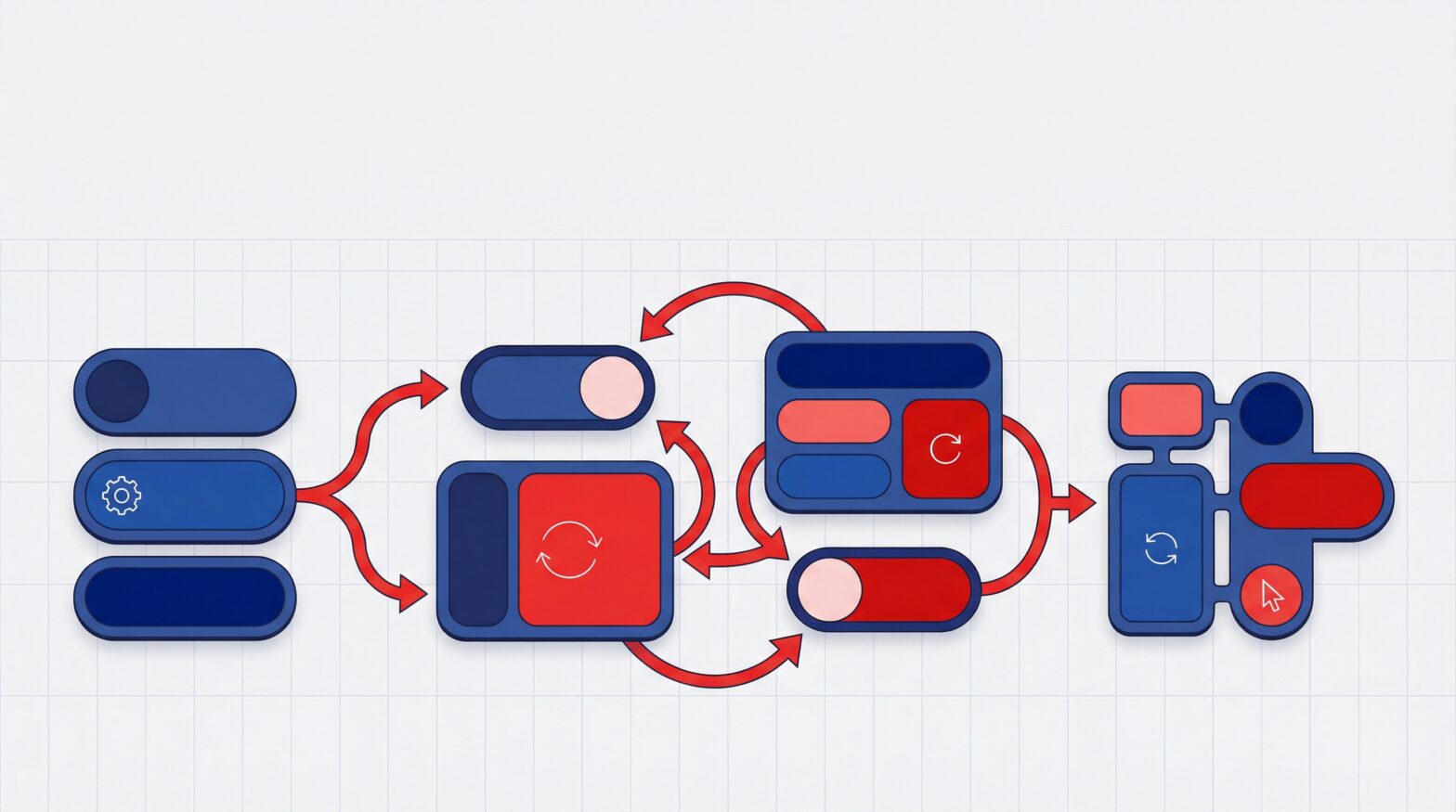
The Role of Rapid Prototyping in Modern Product Development
In today’s fast-paced technological landscape, businesses need to innovate quickly to stay ahead of the competition. Rapid Prototyping has emerged as a game-changer, enabling companies to accelerate product development, reduce risks, and improve final outcomes. By integrating DevOps methodologies and the latest tech trends, businesses can streamline their development processes and create high-quality products faster than ever.
Understanding Rapid Prototyping
Rapid prototyping is an iterative approach to product development that involves creating a working model or prototype to test concepts before full-scale production. This technique allows developers, designers, and stakeholders to identify potential flaws, validate ideas, and refine the final product efficiently.
How Rapid Prototyping Accelerates Product Development
- Faster Time to Market
Traditional development cycles often involve long planning and execution phases, delaying product launches. Rapid prototyping speeds up the process by allowing teams to test concepts early, make necessary changes, and quickly develop a functional version of the product.
- Cost Efficiency
By identifying issues early in the development cycle, businesses can save significant costs that would otherwise be spent on fixing problems in later stages. Prototyping helps avoid unnecessary expenditures by validating features before investing in full-scale production.
- Improved Collaboration
Rapid prototyping fosters better collaboration between development teams, stakeholders, and end-users. By visualizing and interacting with a tangible prototype, teams can make informed decisions, refine features, and ensure the product aligns with user expectations.
- Risk Reduction
Developing a product without validation can lead to costly failures. Rapid prototyping minimizes risks by allowing real-time testing and feedback, ensuring that only the most viable ideas move forward.
- Continuous Iteration & Innovation
Prototyping encourages continuous improvements through iterative testing and modifications. It allows developers to experiment with new ideas and integrate emerging technologies, keeping the product aligned with market trends and user demands.
The Role of DevOps in Rapid Prototyping
DevOps plays a crucial role in enabling seamless rapid prototyping. By integrating automation, CI/CD pipelines, and agile methodologies, DevOps enhances the speed, efficiency, and reliability of the prototyping process. Key DevOps practices that support rapid prototyping include
- Automated Testing: Ensures quick identification of bugs and performance issues.
- Continuous Integration & Deployment: Speeds up iterations by automating code integration and delivery.
- Infrastructure as Code (IaC): Enables flexible, scalable environments for prototyping and testing.
- Real-Time Monitoring: Helps track performance metrics and make data-driven decisions.
How AcmeMinds Helps Businesses Leverage Rapid Prototyping
AcmeMinds specializes in leveraging rapid prototyping and DevOps methodologies to accelerate product development and innovation. With a deep understanding of emerging tech trends, AcmeMinds empowers businesses to build, test, and refine products efficiently.
- Custom Prototyping Solutions
AcmeMinds develops tailored prototypes that align with business goals, ensuring seamless validation of ideas before full-scale development.
- Agile & DevOps Integration
By incorporating DevOps best practices, AcmeMinds optimizes prototyping workflows, enabling continuous iteration, faster feedback loops, and automated testing.
- Cross-Functional Collaboration
AcmeMinds bridges the gap between developers, designers, and stakeholders, ensuring a smooth prototyping process that delivers functional and user-friendly products.
- Scalable & Cost-Effective Prototyping
With scalable infrastructure and cost-efficient development models, AcmeMinds helps businesses minimize risks and maximize efficiency.
- Emerging Tech Implementation
AcmeMinds stays ahead of the curve by integrating the latest technology trends, including AI-driven prototyping, cloud-based development, and advanced UI/UX design principles. By combining rapid prototyping and DevOps services, AcmeMinds empowers businesses to innovate faster, improve product quality, and stay competitive. Connect with us on LinkedIn to see how we’re helping brands build smarter, faster, and better.
FAQs
1. What is rapid prototyping in product development?
Rapid prototyping is an iterative development approach where a working model of a product is created early to test ideas, validate functionality, and gather feedback before full-scale production.
2. How does rapid prototyping help reduce development time?
Rapid prototyping shortens development cycles by enabling early testing, faster iterations, and quicker decision-making, helping teams move from concept to market-ready product much faster.
3. What are the main benefits of rapid prototyping for businesses?
Key benefits include faster time to market, reduced development costs, improved collaboration, early risk identification, and better alignment between product features and user expectations.
4. How does DevOps support rapid prototyping?
DevOps enhances rapid prototyping through automation, CI/CD pipelines, automated testing, infrastructure as code, and real-time monitoring, enabling faster iterations and more reliable prototype testing.
5. Is rapid prototyping suitable for startups and enterprises?
Yes. Startups use rapid prototyping to validate ideas quickly with minimal risk, while enterprises leverage it to innovate faster, modernize products, and reduce costly late-stage changes.
6. How does AcmeMinds help with rapid prototyping and DevOps?
AcmeMinds provides custom rapid prototyping solutions combined with DevOps practices, enabling businesses to build, test, iterate, and scale products efficiently while integrating emerging technologies.